Common Concrete Cutting Mistakes and How to Avoid Them on the Job
In this guide, we’ll explore the most frequent mistakes made on the job, why they happen, and practical strategies to avoid them. By adopting best practices, you can reduce rework, maintain project timelines, and ensure a professional finish.
MISTAKE 1: IGNORING PRE-CUT PLANNING
How to Avoid It:
-
Conduct a thorough site assessment before starting. Identify obstacles, existing structures, and underground utilities.
-
Confirm the type, thickness, and condition of the concrete.
-
Mark cutting lines clearly and double-check measurements.
-
Plan the sequence of cuts to minimise downtime and reduce the risk of intersecting cuts improperly.
MISTAKE 2: USING THE WRONG EQUIPMENT

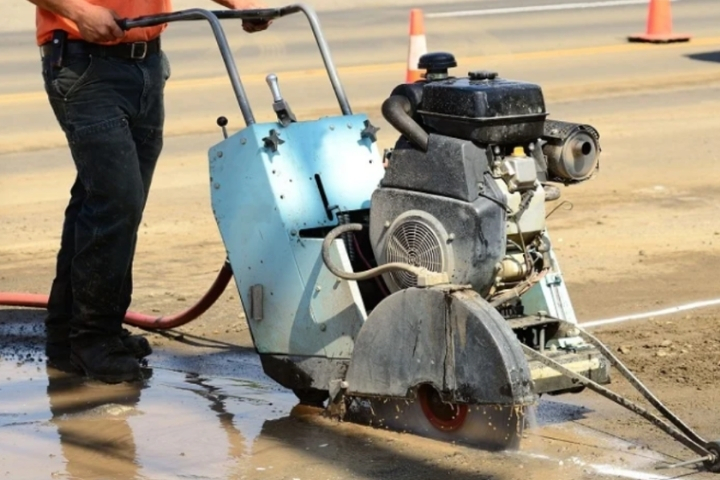
Concrete cutting requires specialised tools such as diamond saws, wall saws, wire saws, or core drills. Using the wrong blade type, size, or machine for the specific job can damage the concrete, overheat equipment, or compromise safety.
HOW TO AVOID IT
-
Match the cutting method to the concrete type and thickness. For instance, reinforced concrete requires diamond blades designed for steel-reinforced materials.
-
Ensure equipment is well-maintained and suitable for the project’s scale.
-
Use the correct cooling methods, such as water for wet cutting, to prevent overheating.
Selecting the appropriate tools not only improves cutting accuracy but also extends the lifespan of equipment and reduces operational delays.

MISTAKE 3: SKIPPING UTILITY CHECKS
A major risk during concrete cutting is striking underground utilities such as electrical cables, water pipes, or gas lines. Not verifying utility locations can lead to serious accidents, costly repairs, and regulatory violations.
How to Avoid It:
-
Always check for underground services before cutting.
-
Contact Dial Before You Dig services to identify known utility locations.
-
Use professional scanning equipment to detect unmarked or private services.
Proactive utility checks are an essential step in any concrete cutting project and are particularly critical for urban areas where underground infrastructure is dense.
MISTAKE 4: RUSHING THE JOB
Concrete cutting is a task that demands patience and attention to detail. Rushing through cuts may seem like a time-saving strategy but often leads to mistakes, rework, and accidents.
How to Avoid It:
-
Allocate sufficient time for each cut and phase of the project.
-
Follow a step-by-step approach, ensuring each section is completed correctly before moving on.
A measured, methodical approach ensures quality results and keeps projects on schedule.
Final Thoughts
Concrete cutting is a skilled task that requires planning, precision, and expertise. Avoiding common mistakes—such as inadequate planning, incorrect equipment, safety oversights, and poor alignment—can save time, money, and stress. For contractors and businesses in Brisbane, engaging experienced Brisbane Concrete Cutting professionals ensures that cuts are executed efficiently, accurately, and safely.